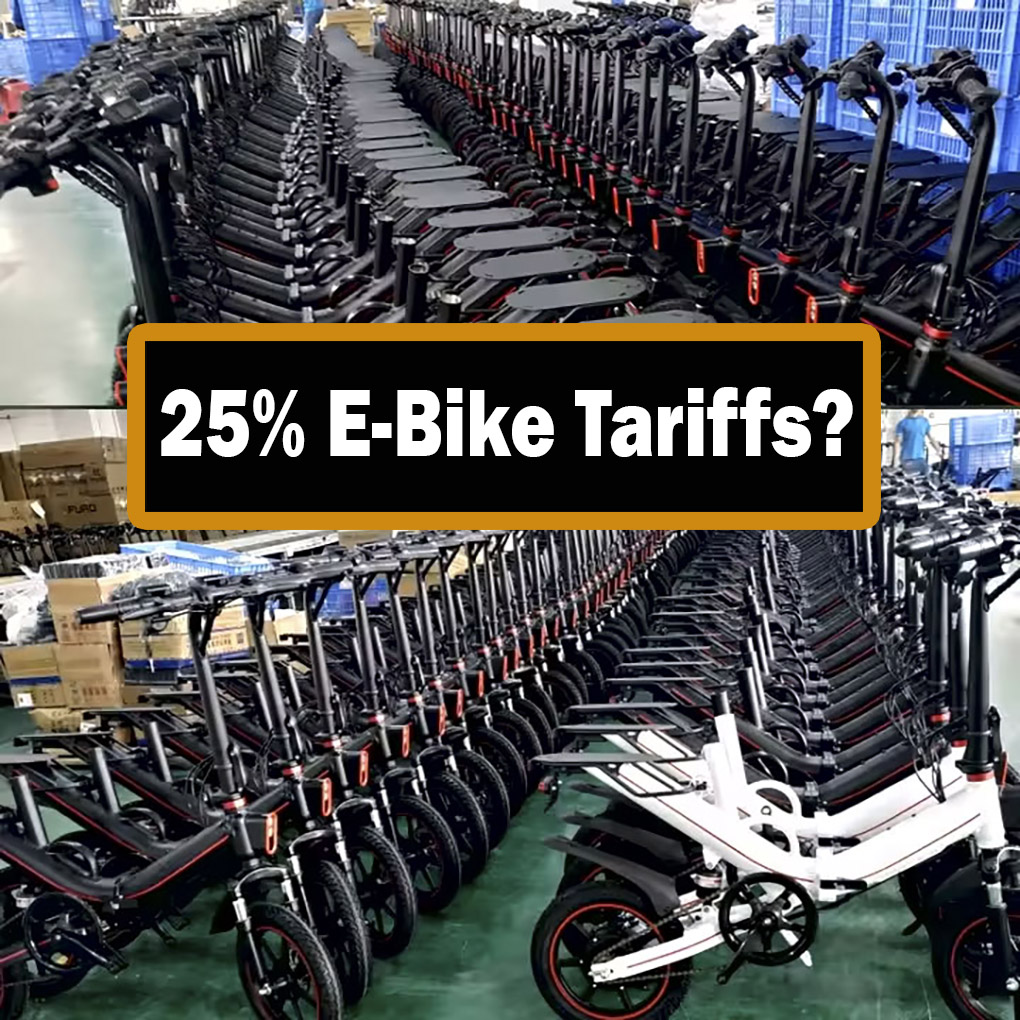
Fast-forward to 2026, and the tariff structure has become a multi-layered beast. For e-bikes imported from China, the total effective rate can reach 45-55%, depending on ongoing negotiations and pauses. This includes the persistent 25% Section 301 tariff, combined with newer additions like the International Emergency Economic Powers Act (IEEPA) tariffs aimed at combating fentanyl flows, which were reduced from 20% to 10% in late 2025 but still apply. Additionally, reciprocal tariffs—tied to China’s duties on U.S. goods—sit at 10-30%, with a temporary 30% rate for China set to be revisited. A major 2025 development was the expansion of Section 232 tariffs under the Trade Expansion Act of 1962, which now impose a 50% duty on the steel content of e-bikes, classifying them as “derivative steel products.” This affects imports under HTS code 8711.60.00, requiring importers to calculate and report steel values, with only slight relief for UK-sourced steel at 25%.
Lithium-ion batteries, the heart of e-bikes, aren’t spared either. As of 2026, tariffs on Chinese-made batteries have jumped to 25% from 7.5%, a change finalized in late 2024. This hike directly inflates costs for e-bike assembly, as batteries often account for a significant portion of the product’s value. For non-electric bikes, tariffs are similarly punishing, with Chinese imports facing up to 56-66%, but e-bikes’ zero base duty makes their total still marginally lower—though hardly affordable.
The ripple effects on the industry are profound. U.S. imports of bicycles (excluding e-bikes) dropped 11% year-to-date by mid-2025, with e-bike volumes following suit amid inventory gluts and rising costs. Manufacturers and retailers, already grappling with post-pandemic oversupply, are passing on these expenses, potentially increasing consumer prices by 20-50% for affected models. Brands like Vvolt have reported total import duties climbing to 45%, forcing price adjustments. Smaller retailers might struggle to absorb these hits, leading to reduced variety or even closures. On the consumer side, higher prices could slow e-bike adoption, undermining environmental goals—ironic, given e-bikes’ role in reducing carbon emissions.
Yet, not all is doom and gloom. The tariffs are spurring innovation and diversification. Many companies are shifting production to countries like Vietnam, Taiwan, Cambodia, and Turkey, where total duties hover around 19-31% for e-bikes—far lower than China’s rates. Vietnam, in particular, offers advantages by avoiding most China-specific tariffs, provided substantial assembly occurs there. Domestic U.S. manufacturing is also gaining traction, with incentives from the Inflation Reduction Act potentially offsetting costs through tax credits for clean energy products. Brands are optimizing designs to minimize steel content or source from tariff-friendly nations, and some are exploring aluminum alternatives to sidestep Section 232 duties.
Looking ahead, the tariff landscape remains fluid. The reciprocal tariffs’ 90-day pauses have been extended multiple times, with the latest running until November 2026. Geopolitical shifts, such as U.S.-China negotiations or changes in administration policy, could alter rates overnight. Industry groups like PeopleForBikes are lobbying for exclusions, arguing that high tariffs harm American jobs and accessibility. Meanwhile, in Europe and Australia, similar anti-dumping duties (up to 70% from China) are pushing parallel shifts, creating a global realignment.
For riders eyeing a new e-bike in 2026, timing is key. Shop early to snag pre-tariff inventory, or opt for models from non-Chinese origins to avoid the steepest hikes. Budget-conscious buyers might consider used markets or domestic brands. Ultimately, while tariffs pose short-term pain, they could foster a more resilient, diversified industry in the long run. As e-bikes continue to pedal toward mainstream adoption, staying informed on these trade dynamics will help you ride smoothly through the ups and downs.