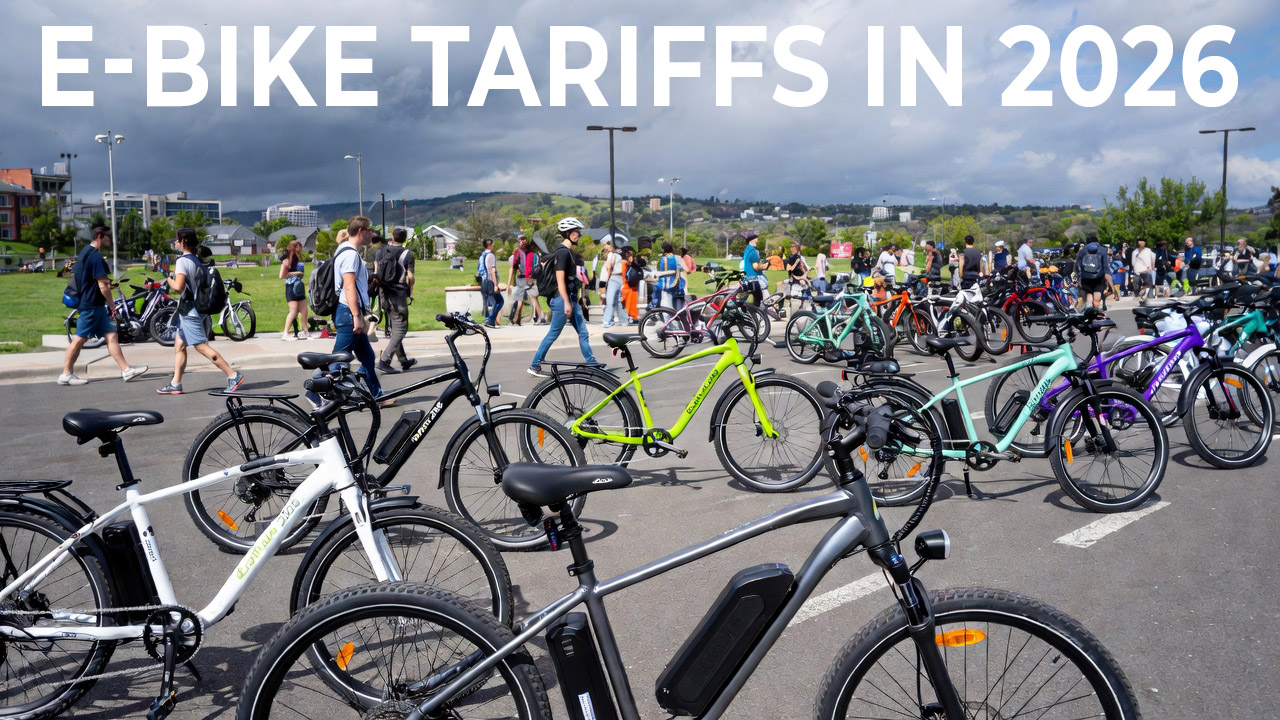

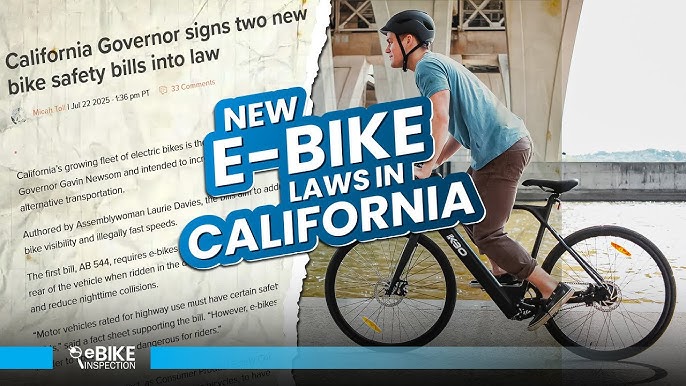
Electric bikes, or e-bikes, have revolutionized urban mobility, blending the joy of cycling with the convenience of motorized assistance. These battery-powered wonders allow riders to conquer hills, extend commutes, and reduce carbon footprints without breaking a sweat. In California, where traffic congestion and environmental concerns loom large, e-bikes have surged in popularity. According to recent trends, sales have skyrocketed, with millions hitting the roads for recreation, delivery services, and daily errands. But with great power comes great responsibility—and in 2026, new laws are ensuring safer rides for everyone.
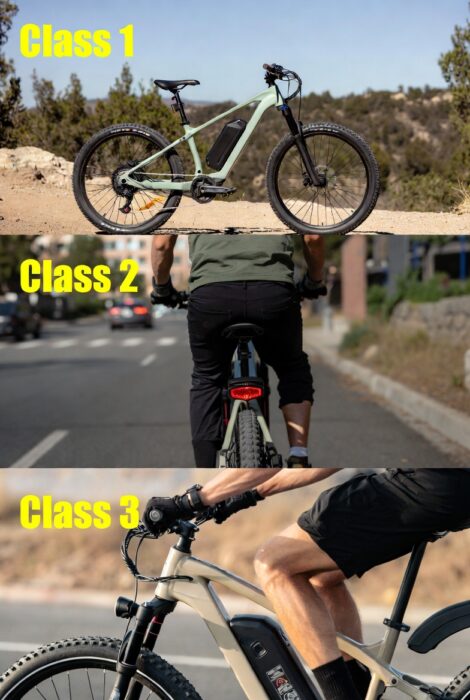
E-bikes are classified into three categories under California law. Class 1 offers pedal-assist up to 20 mph, ideal for trails and bike paths. Class 2 adds a throttle but caps assistance at 20 mph, perfect for casual urban cruising. Class 3 ramps it up to 28 mph with pedal-assist only, requiring helmets and restricting use to riders 16 and older. These distinctions help integrate e-bikes into existing traffic rules, treating them like traditional bicycles rather than motorcycles.
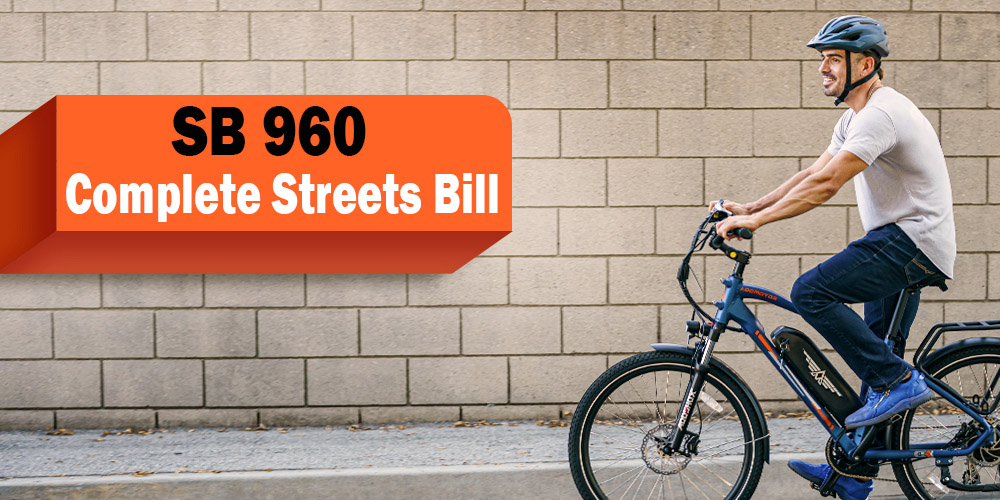
Entering 2026, California has introduced pivotal updates to enhance safety. Senate Bill 1271, effective January 1, mandates rigorous battery certifications for all new e-bikes sold or leased. Batteries and electrical systems must comply with standards like UL 2849 to minimize risks of overheating, fires, and electrical failures. This addresses growing concerns over lithium-ion battery hazards, prohibiting non-compliant devices from the market. Additionally, the State Fire Marshal will adopt regulations promoting fire and electrical safety for e-bikes and related storage batteries.
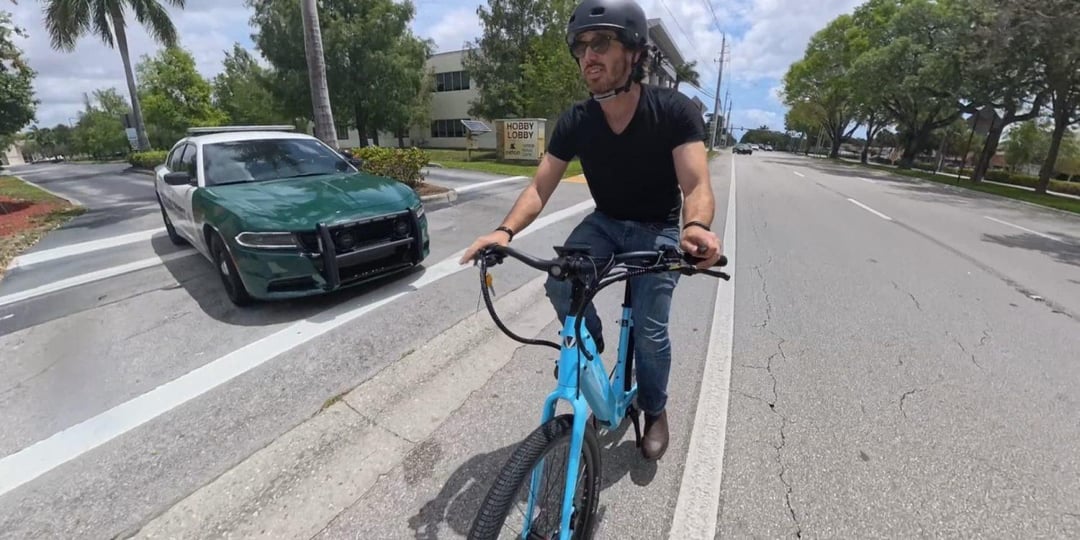
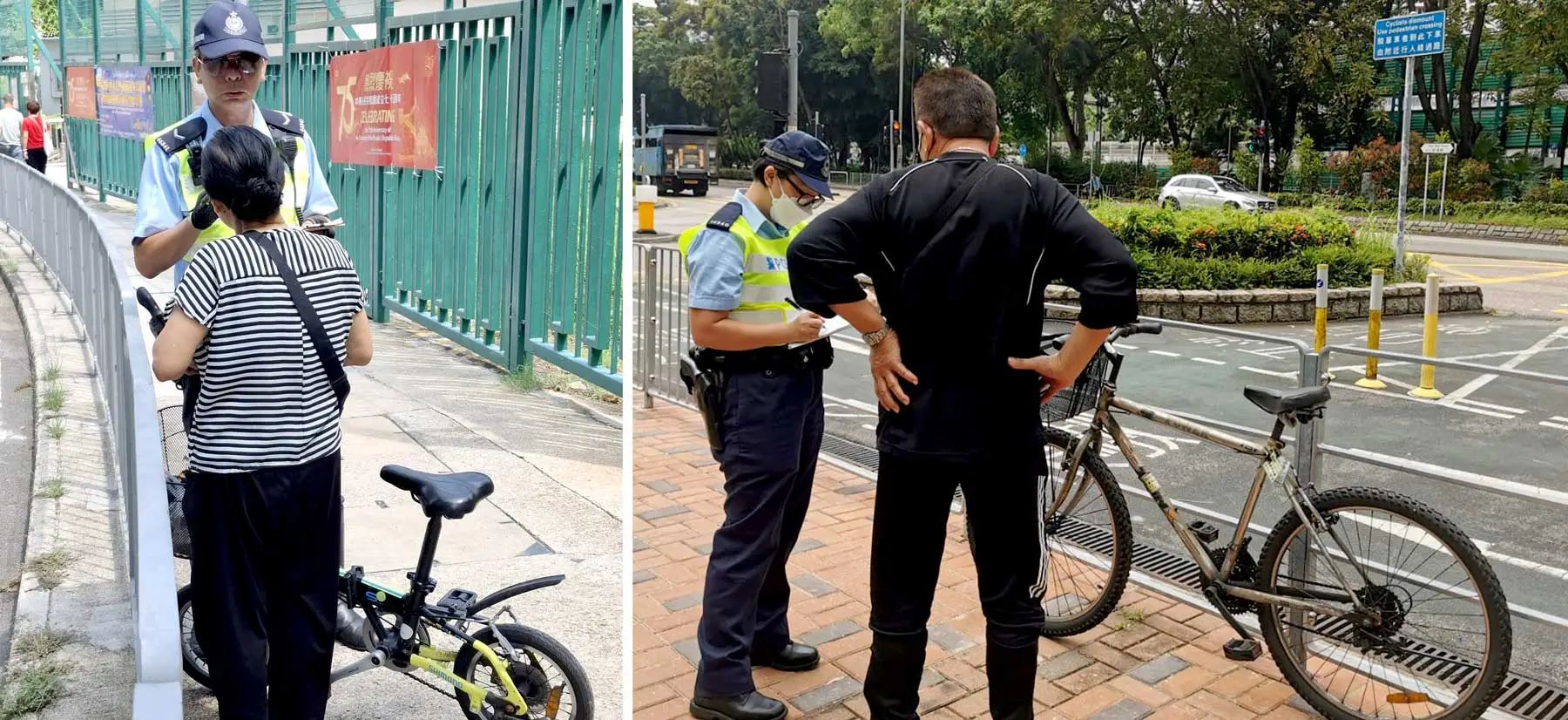
Assembly Bill 544 builds on this by requiring a red rear reflector or a solid/flashing red light visible from 500 feet at all times—not just at night. This simple addition aims to boost visibility and prevent accidents in diverse lighting conditions. Parents beware: under the updated rules, you could face citations if your minor child violates e-bike laws, such as riding without proper equipment or on restricted devices. Assembly Bill 875 empowers authorities to impound e-devices for serious infractions, including underage use of Class 3 models.
These changes stem from a push for accountability amid e-bike proliferation. Proponents argue they curb reckless behavior and protect vulnerable road users, potentially reducing emergency room visits from battery-related incidents. Critics, however, worry about added costs for manufacturers and consumers, which could slow adoption of green transport. Yet, certified e-bikes like those from brands emphasizing UL compliance are already leading the way, proving safety doesn’t sacrifice performance.
For riders, compliance is straightforward: check your bike’s battery certification, install that rear light, and ensure helmets for Class 3. Minors should stick to Classes 1 and 2, and everyone benefits from CHP’s online safety courses. As California pioneers these standards, other states may follow, fostering a safer e-bike ecosystem nationwide.
In conclusion, 2026’s laws reinforce e-bikes as a sustainable future, not a fleeting trend. By prioritizing safety, they pave the way for more inclusive, eco-friendly mobility. Whether you’re a daily commuter or weekend explorer, embracing these rules ensures the ride ahead is smooth and secure. Happy pedaling!