
Ebikes2U

Ebikes2U

Navigating the New Wave: E-Bikes and California’s 2026 Regulations

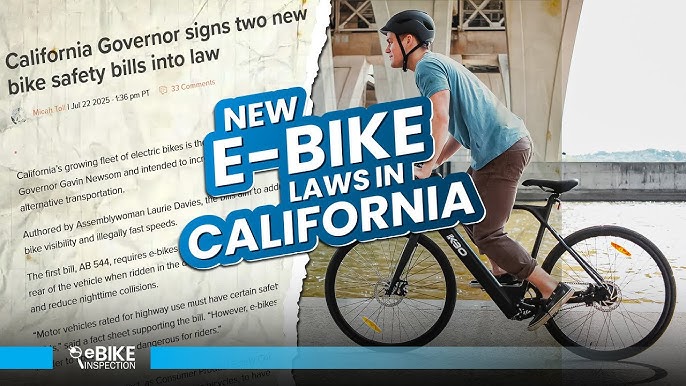
Electric bikes, or e-bikes, have revolutionized urban mobility, blending the joy of cycling with the convenience of motorized assistance. These battery-powered wonders allow riders to conquer hills, extend commutes, and reduce carbon footprints without breaking a sweat. In California, where traffic congestion and environmental concerns loom large, e-bikes have surged in popularity. According to recent trends, sales have skyrocketed, with millions hitting the roads for recreation, delivery services, and daily errands. But with great power comes great responsibility—and in 2026, new laws are ensuring safer rides for everyone. E-bikes are classified into three categories under California law. Class 1 offers pedal-assist up to 20 mph, ideal for trails and bike paths. Class 2 adds a throttle but caps assistance at 20 mph, perfect for casual urban cruising. Class 3 ramps it up to 28 mph with pedal-assist only, requiring helmets and restricting use to riders 16 and older. These distinctions help integrate e-bikes into existing traffic rules, treating them like traditional bicycles rather than motorcycles. Entering 2026, California has introduced pivotal updates to enhance safety. Senate Bill 1271, effective January 1, mandates rigorous battery certifications for all new e-bikes sold or leased. Batteries and electrical systems must comply with standards like UL 2849 to minimize risks of overheating, fires, and electrical failures. This addresses growing concerns over lithium-ion battery hazards, prohibiting non-compliant devices from the market. Additionally, the State Fire Marshal will adopt regulations promoting fire and electrical safety for e-bikes and related storage batteries. Assembly Bill 544 builds on this by requiring a red rear reflector or a solid/flashing red light visible from 500 feet at all times—not just at night. This simple addition aims to boost visibility and prevent accidents in diverse lighting conditions. Parents beware: under the updated rules, you could face citations if your minor child violates e-bike laws, such as riding without proper equipment or on restricted devices. Assembly Bill 875 empowers authorities to impound e-devices for serious infractions, including underage use of Class 3 models. These changes stem from a push for accountability amid e-bike proliferation. Proponents argue they curb reckless behavior and protect vulnerable road users, potentially reducing emergency room visits from battery-related incidents. Critics, however, worry about added costs for manufacturers and consumers, which could slow adoption of green transport. Yet, certified e-bikes like those from brands emphasizing UL compliance are already leading the way, proving safety doesn’t sacrifice performance. For riders, compliance is straightforward: check your bike’s battery certification, install that rear light, and ensure helmets for Class 3. Minors should stick to Classes 1 and 2, and everyone benefits from CHP’s online safety courses. As California pioneers these standards, other states may follow, fostering a safer e-bike ecosystem nationwide. In conclusion, 2026’s laws reinforce e-bikes as a sustainable future, not a fleeting trend. By prioritizing safety, they pave the way for more inclusive, eco-friendly mobility. Whether you’re a daily commuter or weekend explorer, embracing these rules ensures the ride ahead is smooth and secure. Happy pedaling!
Ebikes2U

The Case Against E-Bike Licensing

As electric bikes (e-bikes) grow in popularity, there have been increasing calls for regulatory frameworks that include licensing and registration requirements, similar to those for motor vehicles or traditional bicycles. While some proponents argue that e-bike licensing can improve safety, enforce rules, and track ownership, there are several compelling reasons to reject or at least delay the implementation of such policies. 1. E-Bikes Are Not Motor Vehicles One of the key arguments against e-bike licensing is that e-bikes are fundamentally different from motor vehicles. They are typically much slower (often limited to speeds of 20–28 mph) and require far less power to operate than a car or motorcycle. Many e-bikes are classified as bicycles in terms of their size and general operation—pedal assist or throttle-based systems provide electric assistance but don’t replace the need for pedaling altogether. Licensing systems that equate e-bikes with motor vehicles often fail to acknowledge these critical differences. E-bikes are used for recreational, commuting, and short-distance transportation purposes, not as a substitute for cars, which means they do not pose the same risks or require the same oversight. 2. Barriers to Access Requiring licensing for e-bikes can create barriers to access, especially for people who rely on them as an affordable mode of transportation. For those living in urban areas, using e-bikes can offer a low-cost alternative to cars, buses, or even public transit. Adding a licensing requirement introduces extra costs (fees, training, etc.) that may discourage adoption, particularly among low-income individuals. E-bikes have the potential to be a key solution in reducing traffic congestion and lowering carbon emissions. Licensing can add administrative overhead that limits the broad accessibility of this sustainable form of transportation. 3. Overburdening Law Enforcement E-bike licensing systems, much like those for motor vehicles, would require significant enforcement mechanisms to ensure compliance. Police officers and other law enforcement personnel would need to monitor e-bike riders, verify licenses, and impose fines or penalties for violations. This could divert resources away from more critical issues while adding unnecessary complexity to what should be a simple and straightforward activity—riding a bicycle. E-bike operators are already subject to existing traffic laws, such as obeying traffic signals and riding in bike lanes where applicable. Additional burdens of registration and licensing could disproportionately target responsible e-bike users, particularly in urban areas where bikes and e-bikes share roads with cars. 4. Impediments to Innovation and Development The e-bike market is still evolving, with new models and technologies emerging regularly. Imposing licensing requirements too early could stifle innovation by making it harder for new manufacturers to enter the market. It could also discourage small businesses or independent creators from experimenting with novel designs, as they would need to navigate complex regulatory frameworks to bring their products to market. Moreover, overly restrictive regulations could reduce competition, making e-bikes less affordable for consumers. The free market, with limited regulation, has been a key driver of the e-bike boom, allowing a wide range of designs and styles that cater to different needs and budgets. 5. Public Safety Concerns Are Addressed Through Existing Laws Many of the concerns raised by proponents of e-bike licensing—such as safety, road use, and pedestrian interactions—can already be addressed through existing laws and policies. Many states and cities already have regulations governing e-bike use, including where they can be ridden, helmet requirements (for certain age groups), and speed limits. These laws can be adjusted or refined as needed without the need to introduce complex licensing systems. Further, e-bike manufacturers already include safety features (e.g., speed limiters, lights, bells, reflectors) to reduce the risk of accidents. Educating the public on safe e-bike practices—through campaigns, public service announcements, and outreach—can help reduce crashes and injuries without adding an unnecessary layer of bureaucracy. 6. Environmental Benefits Are Undermined E-bikes are seen as a key solution to the growing problems of urban traffic congestion and environmental degradation. By offering an environmentally friendly alternative to short car trips, e-bikes reduce the carbon footprint of transportation. Licensing requirements could slow the adoption of this cleaner mode of transport, making it more difficult for people to switch from cars to e-bikes. In fact, excessive regulation could even encourage people to continue relying on personal cars—particularly those in urban areas who are looking for alternatives to traditional driving. Encouraging greater use of e-bikes, rather than adding barriers like licensing, could contribute to efforts to reduce emissions and improve air quality. 7. E-Bike Use Promotes Health and Fitness While e-bikes are electrically assisted, they still provide significant physical activity. Many riders engage in the pedaling aspect of e-bike use, especially on flatter terrain or longer distances, making e-bikes a valuable tool for increasing physical activity among sedentary individuals. Requiring licensing might dissuade people from choosing e-bikes as an option, especially if the process feels burdensome or intimidating. Given the growing concerns about sedentary lifestyles and the health benefits of cycling in general, any policies that limit e-bike use could have unintended public health consequences. Conclusion While it’s important to regulate the growing e-bike market to ensure safety and fairness, imposing licensing requirements is likely not the best way forward. E-bikes offer numerous societal, environmental, and economic benefits, and introducing complicated and costly licensing systems could hinder their adoption. Existing laws and regulations can be fine-tuned to address public safety without the need for extensive bureaucracy. For e-bikes to reach their full potential in reducing congestion, promoting health, and helping the environment, we need a balanced, flexible approach—one that supports innovation, accessibility, and safety without unnecessary barriers.
Ebikes2U

California Adds New Bill to Make E-Bikes Safer for All

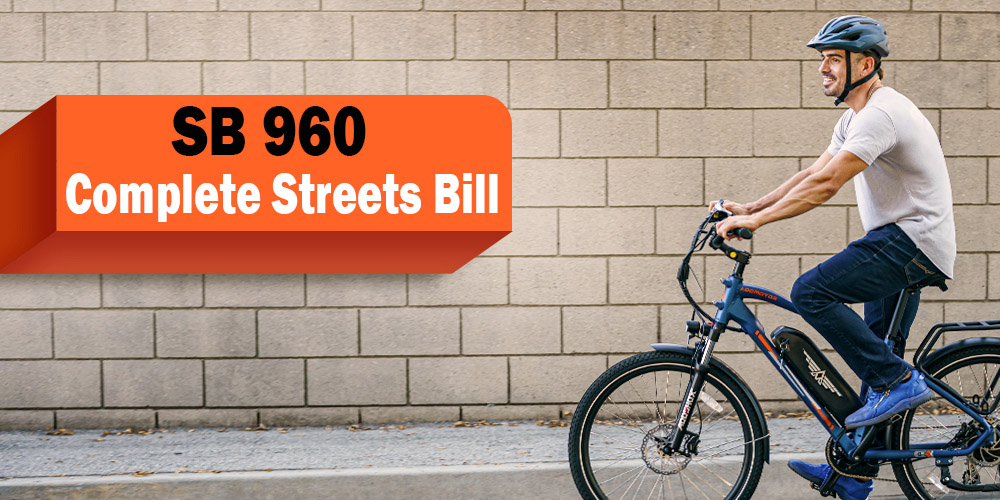
On September 15, 2024, California Governor Gavin Newsom signed SB 960, also known as the Complete Streets Bill, into law. This piece of legislation, introduced by Senator Aisha Wahab, focuses on improving the safety, accessibility, and overall design of transportation infrastructure across the state. Here are the key highlights of SB 960 and its potential impacts: 1. Complete Streets Approach Complete Streets refers to the idea of designing and operating streets that are safe, accessible, and convenient for all users—whether they are walking, biking, driving, or using public transportation. SB 960 mandates that local governments and transportation agencies incorporate this approach when planning and upgrading streets. 2. Focus on Equity and Accessibility SB 960 places a particular emphasis on addressing the needs of disadvantaged communities, particularly those that have been historically marginalized or underserved. This includes prioritizing projects in neighborhoods where lower-income residents, people of color, and those with disabilities may face disproportionate barriers to safe transportation. By making transportation systems more equitable, the bill seeks to provide better access to education, jobs, and services for everyone, regardless of their mode of travel or income level. 3. Improved Pedestrian and Cyclist Infrastructure The bill ensures that local governments consider the safety of pedestrians and cyclists when planning or redesigning streets. This includes the creation of dedicated bike lanes, safe pedestrian crossings, and improved sidewalks. By prioritizing infrastructure for non-motorized users, SB 960 aims to encourage walking and cycling as sustainable modes of transportation, helping to reduce traffic congestion and improve air quality. 4. Safety Measures The legislation directs transportation planners to focus on reducing traffic-related fatalities and injuries, particularly in vulnerable areas such as near schools, parks, and senior centers. This could include measures like slower speed limits, improved signage, better lighting, and more visible crossings. Vision Zero, California’s initiative to eliminate traffic deaths, is reinforced through SB 960 by encouraging the redesign of streets to make them safer for everyone. 5. Planning and Funding Requirements Under SB 960, cities and counties are required to incorporate Complete Streets principles into their transportation plans and examine equity impacts in their project designs. This includes integrating these principles into both long-term planning documents and short-term project funding applications. The bill also makes it easier for local governments to access state funding to implement these projects, aiming to provide financial support to make Complete Streets a reality statewide. 6. Integration with State Goals SB 960 aligns with California’s broader environmental goals, including reducing greenhouse gas emissions, reducing dependency on cars, and promoting sustainable urban development. By prioritizing safer walking and biking infrastructure, the bill supports the state’s efforts to combat climate change by encouraging more eco-friendly transportation options. 7. Implementation Timeline and Impact While the bill gives local governments some time to implement these requirements, the hope is that within a few years, more streets across California will be safer, more accessible, and better equipped for a variety of transportation modes. The law is expected to transform urban spaces, particularly in larger cities and growing suburban areas, into more pedestrian- and bike-friendly environments. 8. Wider Context SB 960 comes as part of a growing movement in California to reimagine streets and transportation infrastructure. Governor Newsom has made improving public transit, reducing traffic fatalities, and addressing transportation inequities central to his administration’s transportation policy. California has been a leader in climate and transportation reform, and this bill builds on the state’s ongoing efforts to foster more sustainable, equitable cities. In summary, SB 960 is an important step toward reimagining how California’s streets are designed, with a focus on equity, safety, and sustainability. By implementing Complete Streets principles, the bill aims to make transportation in the state more inclusive and accessible, while also supporting broader environmental goals.
Ebikes2U

Get Ready for Higher E-Bike Tariffs

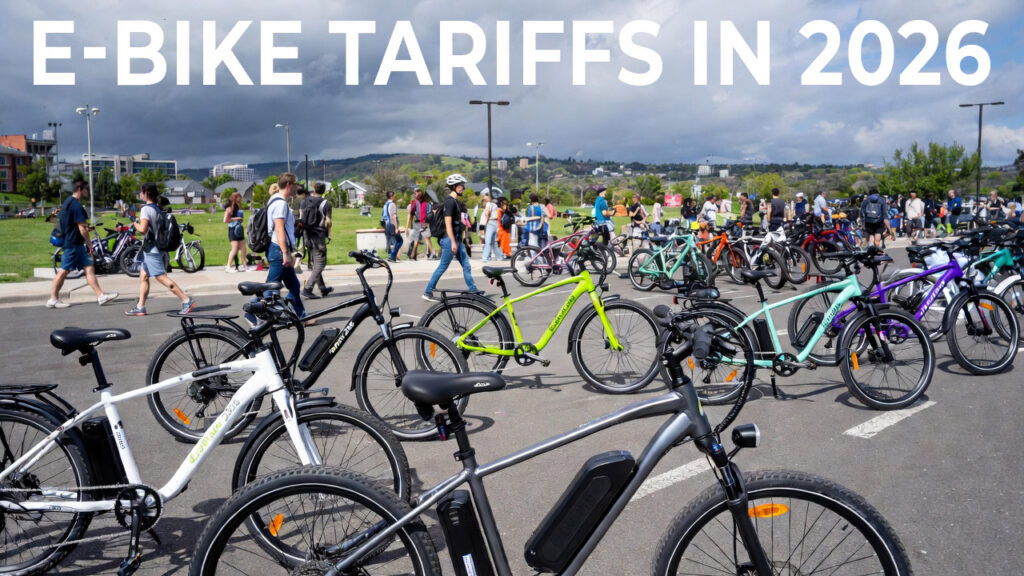
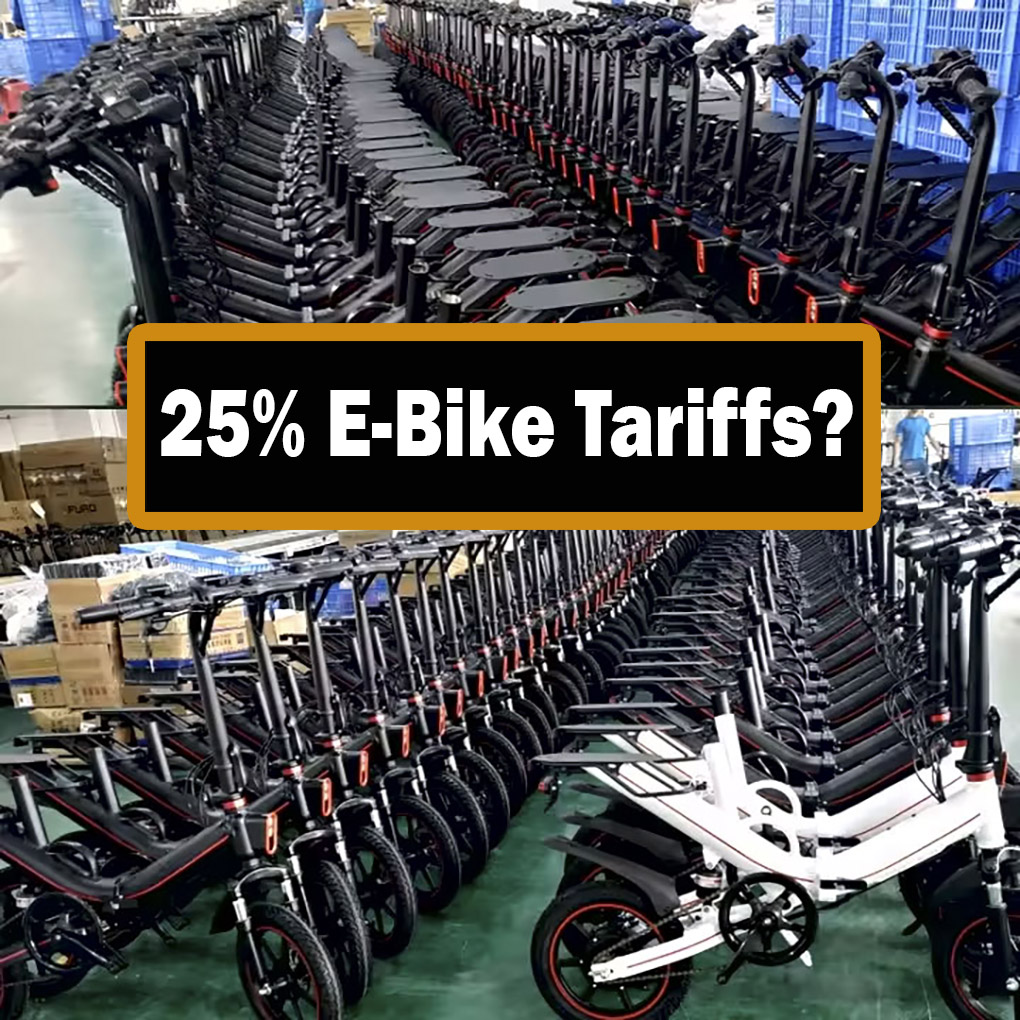
As of the latest updates in June 2024, the status of tariffs on electric bikes (e-bikes) in the United States has been evolving. Here’s a summary of the key points: 1. Tariffs on Chinese E-Bikes Background: The U.S. imposed tariffs on Chinese imports, including e-bikes, as part of the trade tensions between the U.S. and China, particularly starting in 2018. These tariffs were initially set at 25% on a wide range of goods from China, including electric bicycles. Recent Developments: In 2022, there were temporary suspensions or exemptions for certain e-bike imports, but the overall tariff structure remained in place. These tariffs have been controversial in the cycling community, as they have raised prices for both e-bikes and related components in the U.S. 2. Advocacy and Petitioning to Exempt E-Bikes E-bike industry groups, such as the PeopleForBikes organization, have been actively advocating for tariff relief, arguing that the tariffs disproportionately affect consumers and small businesses. In 2022, these efforts led to some temporary tariff exclusions on e-bikes, but these exemptions were not permanent and have often been extended only after significant lobbying. 3. Current Situation (2024) The Biden Administration has shown signs of reevaluating the effectiveness of these tariffs, especially as the U.S. electric bike market continues to grow. Tariff Rate Adjustments: As of now, the 25% tariff on Chinese-made e-bikes is still in effect, though some industry insiders are hopeful that the Biden Administration could reduce or eliminate these tariffs in the future. There have been ongoing discussions within the U.S. Trade Representative’s office regarding the potential for tariff reductions for certain categories of e-bikes or bicycle components. Impact on E-Bike Prices: These tariffs have led to higher prices for e-bikes in the U.S. market, which has made them less affordable for many consumers. In addition, manufacturers have had to either absorb some of the costs or pass them on to consumers, which has been a challenge for smaller e-bike brands and retailers. 4. Shift in Supply Chains Due to the tariffs, many e-bike companies have started to look for alternative manufacturing sources outside of China. Countries like Vietnam, Thailand, and Cambodia are seeing a rise in e-bike production, as manufacturers attempt to circumvent the high U.S. tariffs on Chinese imports. However, these shifts in supply chains come with their own challenges, including higher production costs and longer shipping times. 5. E-Bike Components and Accessories Many e-bike components, such as batteries, motors, and other electrical components, are also subject to tariffs. The overall cost of building an e-bike in the U.S. has increased because many of these parts are still sourced from China or other countries affected by tariffs. Some companies are exploring options to manufacture more of these components domestically or in tariff-free countries, but that is still a work in progress. 6. Potential for Future Changes Tariff Review and Negotiations: The U.S. government periodically reviews and adjusts tariffs, and there have been discussions about revisiting tariffs on products like e-bikes in light of their growing popularity and the importance of sustainability. However, it’s unclear whether significant changes will occur soon. In summary, while tariffs on Chinese e-bikes are still in place, there are ongoing efforts by industry groups to reduce or eliminate them. The impact on e-bike prices continues to be felt, and manufacturers are seeking alternative supply chains to mitigate these costs. Keep an eye on any updates from the U.S. Trade Representative’s office for potential changes in the near future.
Ebikes2U

Can You Get a DUI While Riding On an E-Bike?

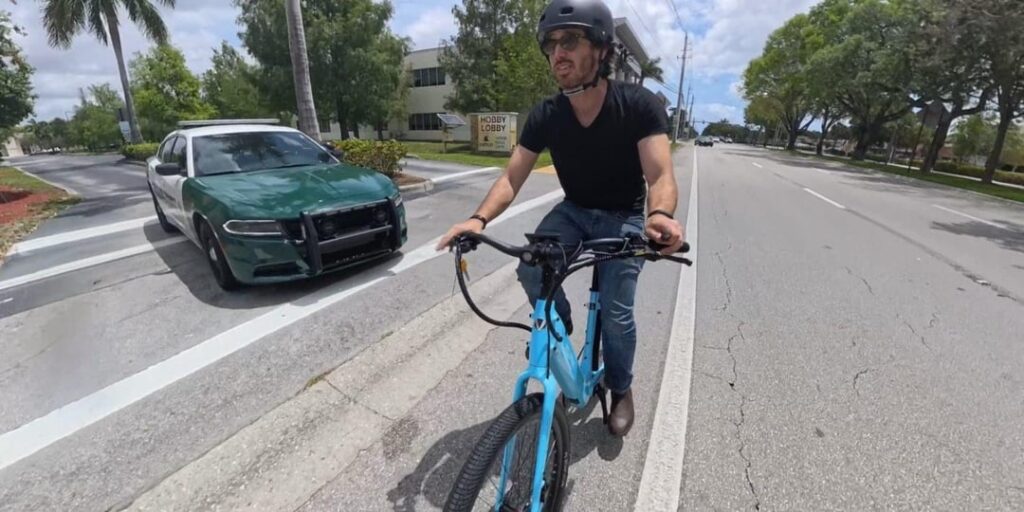
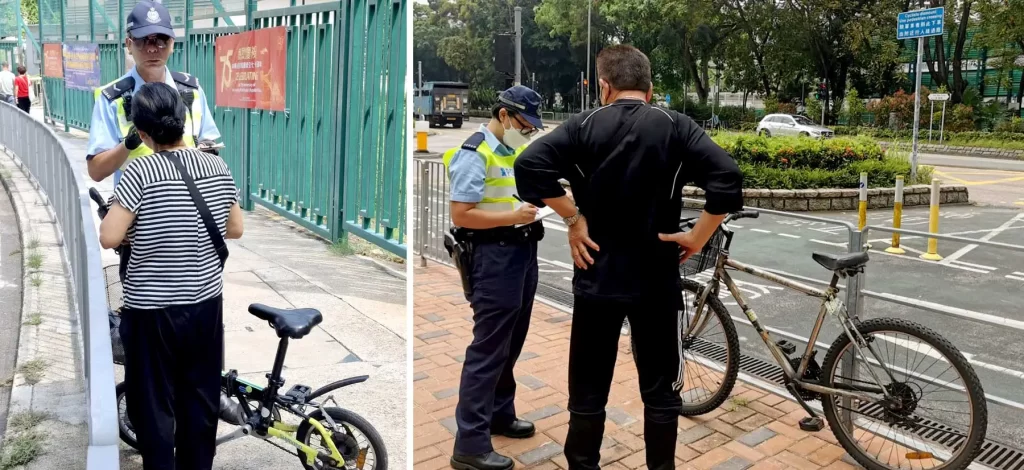
Yes, it is possible to get a DUI (Driving Under the Influence) on an e-bike, though the specifics can vary by location. In many places, e-bikes are considered motorized vehicles under certain conditions, and operating one while under the influence of alcohol or drugs can lead to legal consequences similar to those for operating a car or other motor vehicle. In general, the factors that determine whether someone can be charged with a DUI on an e-bike include: Local Laws: Some regions have laws that specifically address the operation of e-bikes under the influence. These laws may define e-bikes as bicycles or motor vehicles and outline penalties for impaired riding. For example, in the U.S., states like California have laws that could result in DUI charges for e-bike riders, especially if the e-bike has a motor that allows it to travel at higher speeds. Blood Alcohol Concentration (BAC) Limits: In many places, a BAC over a certain threshold (typically 0.08% for adults) while operating a motorized vehicle, including an e-bike, can result in DUI charges. Some places might have lower BAC limits for cyclists, especially those on motorized bikes. Motorized Assistance: If the e-bike has a motor and the rider uses it to propel themselves, it might be treated more like a motor vehicle than a regular bicycle. Even if the rider uses pedals, if the motor assists in the ride, that could make the e-bike subject to motor vehicle laws, including DUI regulations. Impairment: If you’re visibly impaired (due to alcohol or drugs) and riding an e-bike, law enforcement may stop you and assess your ability to ride safely. In some cases, the officer may issue a citation for impaired riding even if the e-bike is technically a non-motorized vehicle. If you’re unsure about the laws in your area, it’s a good idea to check local traffic regulations regarding e-bikes and impaired riding. Generally, it’s always safer to avoid riding any vehicle—whether it’s a bicycle, e-bike, or car—under the influence of alcohol or drugs, as it can impair your judgment and reaction time, increasing the risk of accidents.  
Ebikes2U

The Dangers of E-Bike Fires: Fact or Fiction?

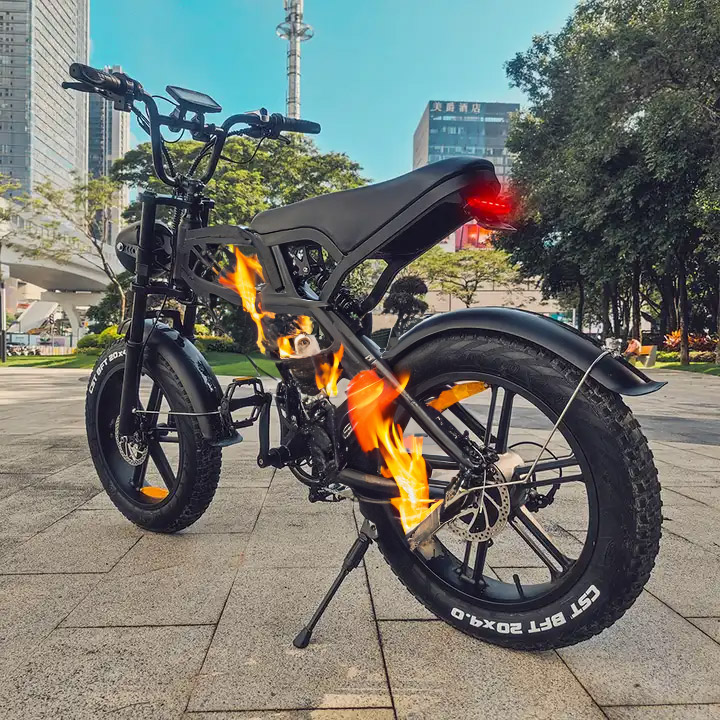
In recent years, there has been a significant increase in the popularity of electric bikes, or e-bikes, in the United States. As more people turn to this eco-friendly mode of transportation, it is important to be aware of the potential dangers associated with e-bikes, particularly the risk of fires. E-bike technology relies on lithium-ion batteries, which can store a large amount of energy. While these batteries are generally safe when used properly, there have been instances of e-bike fires in the U.S. that have resulted in injuries and property damage. Understanding the potential causes and implementing safety measures can help mitigate these risks. Causes of E-Bike Fires Poor Quality Batteries: Inferior quality batteries used in some e-bikes can be prone to overheating and thermal runaway, leading to fires.Faulty Chargers: Chargers that do not meet safety standards or have manufacturing defects can cause batteries to overheat and ignite.Improper Charging Practices: Overcharging or leaving e-bikes connected to chargers for an extended period can lead to battery overheating and potential fires.User Error: Mishandling the battery, such as puncturing it or exposing it to extreme temperatures, can cause fires.Safety Measures and PrecautionsChoose Trusted Brands: Always purchase e-bikes from reputable manufacturers who prioritize safety and follow industry standards.Check Safety Certifications: Ensure that the e-bike and its battery have undergone safety testing and have the necessary certifications.Follow Charging Guidelines: Read and follow the manufacturer’s instructions for charging and storing the e-bike battery. Avoid overcharging and always unplug the charger once the battery is fully charged.Use Original Chargers: Stick to using the charger provided by the manufacturer, as third-party chargers may not meet safety standards.Monitor Battery Temperature: Regularly check the temperature of the battery after charging and during use. If it feels excessively hot or shows signs of damage, stop using it and seek professional assistance.Avoid Extreme Conditions: Do not expose e-bikes to extreme temperatures, especially excessive heat or direct sunlight for prolonged periods.Proper Storage: When not in use, store e-bikes and batteries in a cool, dry place away from flammable materials. What to Do in Case of an E-Bike Fire Prioritize Safety: In case of a fire, move away from the e-bike and find a safe distance from the flames.Call for Help: Dial emergency services to report the incident and request assistance.Use Fire Extinguishers: If available and safe to do so, use a suitable fire extinguisher to attempt to put out the fire.Evacuate the Area: If the fire cannot be controlled or is spreading rapidly, evacuate the area and warn others to do the same. ConclusionWhile e-bikes offer numerous benefits, it is crucial to understand and address the potential dangers of e-bike fires. By being vigilant, following safety guidelines, and investing in quality products, we can minimize the risks associated with e-bikes and ensure a safer riding experience. Remember, safety should always be a top priority when it comes to any mode of transportation, and e-bikes are no exception.
Ebikes2U

Exploring the Latest E-Bike Rules and Safety in California

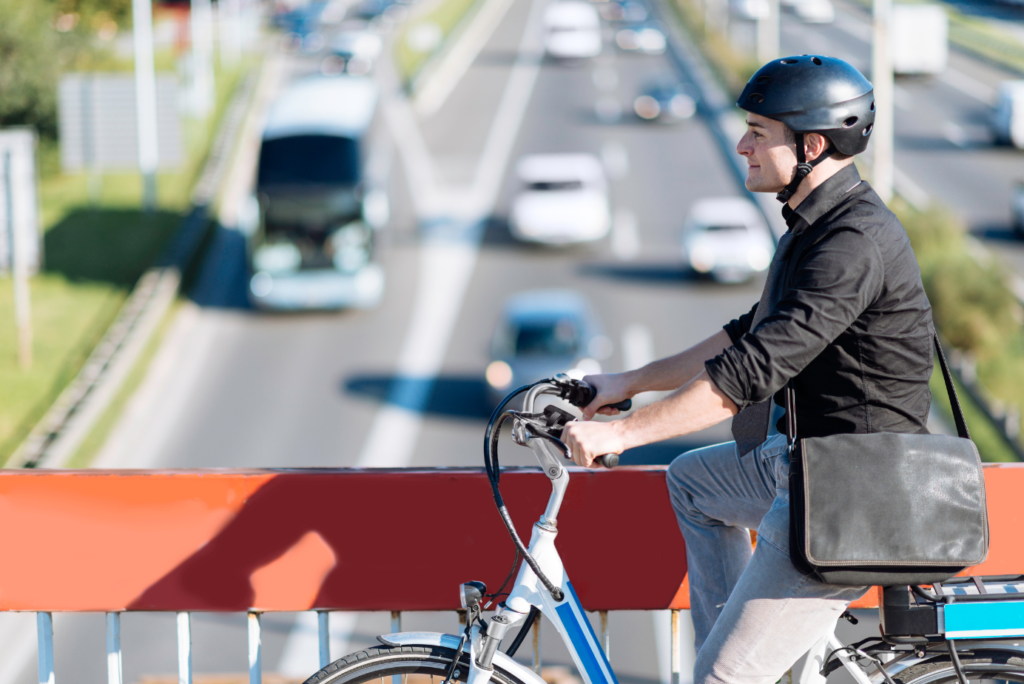
E-bikes have gained significant popularity in recent years, offering an eco-friendly and efficient alternative to traditional bicycles. As the number of e-bike users continues to grow, it’s crucial to stay updated on the latest rules and safety measures set forth by regulators. In this blog post, we delve into the latest e-bike rules and safety guidelines in California, shedding light on what every e-bike rider should know. Understanding E-BikesE-bikes, also known as electric bikes, are bicycles equipped with a small electric motor that provides assistance while pedaling. These bikes come in various configurations, ranging from pedal-assist models where the motor only engages when the rider pedals, to throttle-controlled models that provide continuous power without pedaling. It’s important to note that, unlike motorcycles, e-bikes are restricted to a maximum speed of 28 mph in California. Classification of E-BikesTo better regulate e-bikes, the California legislature has classified them into three categories, each with its own set of rules and regulations: Class 1 – Pedal-Assist E-Bikes: These e-bikes are equipped with an electric motor that provides assistance only while the rider pedals. The motor disengages once the speed exceeds 20 mph. Class 1 e-bikes are allowed on bike paths and lanes unless specifically prohibited by local authorities. Class 2 – Throttle-Controlled E-Bikes: With a throttle-controlled motor, these e-bikes provide continuous power without the need for pedaling. The motor cuts off once the speed exceeds 20 mph. Class 2 e-bikes are restricted from using bike paths and lanes unless signage indicates otherwise. They are allowed on the road instead. Class 3 – Pedal-Assist Only E-Bikes: Speed-assisted e-bikes have a motor that provides assistance while pedaling but disengages once the speed exceeds 28 mph. Similar to Class 1 e-bikes, they are permitted on bike lanes and paths, unless local authorities prohibit them.   Safety Tips for E-Bike RidersWhile e-bikes offer an exhilarating riding experience, it’s crucial to prioritize safety. Here are a few safety guidelines every e-bike rider in California should follow: Wear a Helmet: Protect your head by wearing a helmet that meets safety standards. It’s the best defense against potential accidents and head injuries. Familiarize Yourself with Traffic Laws: E-bikes are subject to the same traffic laws as bicycles. Understand and obey traffic signals, stop signs, speed limits, and other relevant regulations. Maintain Safe Speeds: Keep your e-bike at a safe speed, especially when sharing roads with pedestrians and other cyclists. Stay Visible: Use lights and reflective gear to enhance your visibility. This is particularly important during low-light conditions or when riding at night. Be Predictable: Signal your turns, maintain a steady course, and yield appropriately to other road users. The more predictable you are, the safer you become. Regular Maintenance: Ensure your e-bike is in proper working condition by conducting regular maintenance checks. Pay attention to tire pressure, brakes, and lights to maintain optimal safety. Educate Yourself: Stay updated on e-bike rules and regulations. Familiarize yourself with local laws and any changes introduced by local authorities. By following these safety tips, e-bike riders can significantly reduce the risk of accidents and ensure a safer riding experience for themselves and others around them. ConclusionAs e-bike usage continues to rise, California has implemented specific rules and regulations to ensure the safety of riders and other road users. Understanding the classification system, thorough knowledge of traffic laws, and adhering to safety guidelines are fundamental aspects of safe e-bike riding. There has also been proposals by California lawmakers pushing for an e-bike drivers license. By promoting responsible riding and awareness, we can all contribute to a safer and more enjoyable e-bike community in California.
Ebikes2U

Electric Bikes: Why Your Commute Just Got a Lot Healthier

We all know how difficult it can be to fit exercise into our daily lives, especially when it comes to the commute. That’s why electric bikes—or e-bikes—are becoming increasingly popular. Not only are these bikes eco-friendly and economical, but they’re also great for your health. Let’s take a look at why electric bikes are such a great option for commuters who want to stay fit and healthy on their way to work or school. The Benefits of Riding an E-BikeE-bikes are powered by a rechargeable battery that assists your pedaling with an electric motor. This means that you don’t have to put in as much effort as you would with a regular bike, allowing you to go farther distances in less time and with less fatigue. An e-bike can help you get the exercise your body needs without having to strain yourself too much, making it perfect for those of us who don’t have hours each day to devote to physical activity. Electric bikes are also incredibly eco-friendly. Gasoline-powered cars create car exhaust that is harmful both for humans and the environment, but electric bikes produce zero emissions – which means no air pollution! By switching from a gas-powered car to an e-bike, you can do your part in reducing greenhouse gases and helping the environment while still getting where you need to go quickly and efficiently. E-bikes also save you money in the long run since they don’t require any gas or maintenance like traditional vehicles do. And because they’re so lightweight, they can easily be carried upstairs or stowed away in small spaces – making them more convenient than heavier alternatives like motorcycles or mopeds! Plus, most electric bikes come with built-in features like head and tail lights so you can ride safely even at night. All in all, electric bikes offer numerous benefits over traditional gasoline powered cars when it comes to commuting – from better health benefits and improved environmental impact, all the way down to cost savings and convenience! So if you’re looking for a way to keep fit while still getting around town quickly and easily – consider switching up your ride with an e-bike! With all these advantages, it’s no wonder why electric bicycles are quickly becoming one of the most popular modes of transportation today! So what are you waiting for? Ditch your gas powered car and grab yourself an e-bike today – your commute just got healthier!
Ebikes2U

The Pros and Cons of Renting vs. Owning a Ride-Share Electric Vehicle

Electric vehicles are becoming increasingly popular as the technology becomes more accessible and cost effective for the average consumer. But should you rent or own a ride-share electric vehicle? Let’s explore the pros and cons of each option to help you decide which is best for you. Renting a Ride-Share Electric VehicleRenting an electric vehicle has its advantages. One major benefit is that it’s usually much less expensive than buying one outright. Additionally, you don’t have to worry about maintenance costs since they’re included in the rental fee. This makes renting an ideal choice if you’re only planning on using it occasionally or just need a short term solution until you can purchase your own electric vehicle. However, there are some drawbacks to consider as well. If you plan on using the vehicle often, then renting may not be the best option due to ongoing costs associated with renting over time. Additionally, renting means that you won’t be able to customize or personalize your ride in any way since it’s not your own property. Owning a Ride-Share Electric VehicleOwning an electric vehicle has its benefits too, especially when it comes to customization options and personalization choices that come with owning a car rather than renting one. You can choose from a variety of color combinations, add accessories such as bike racks, and make any modifications that fit your needs—all without worrying about being charged extra fees for making changes like you would if you were renting instead of owning.Owning also gives you more control over your driving experience since there are no restrictions on how often or how far you can drive (aside from what is allowed by law). Plus, if something happens while driving, it won’t be up to someone else to take care of repairs; they will be yours alone to handle (or pay someone else to do). On the other hand, owning an electric vehicle requires more upfront expenses than renting does including higher insurance premiums and registration fees depending on where you live. Additionally, there are ongoing fees associated with ownership such as gas bills and maintenance costs that must be considered before committing to buy an electric vehicle outright. Ultimately, whether it’s better for you to rent or own a ride-share electric vehicle depends largely on your lifestyle and budget constraints—but both options have their advantages and disadvantages that should be taken into account when making this decision. Renting gives you flexibility in terms of cost but limits customization options while owning allows more customization but carries higher upfront costs and ongoing expenses associated with ownership. Consider all factors carefully before deciding which route is best for your needs!

Scroll to Top